

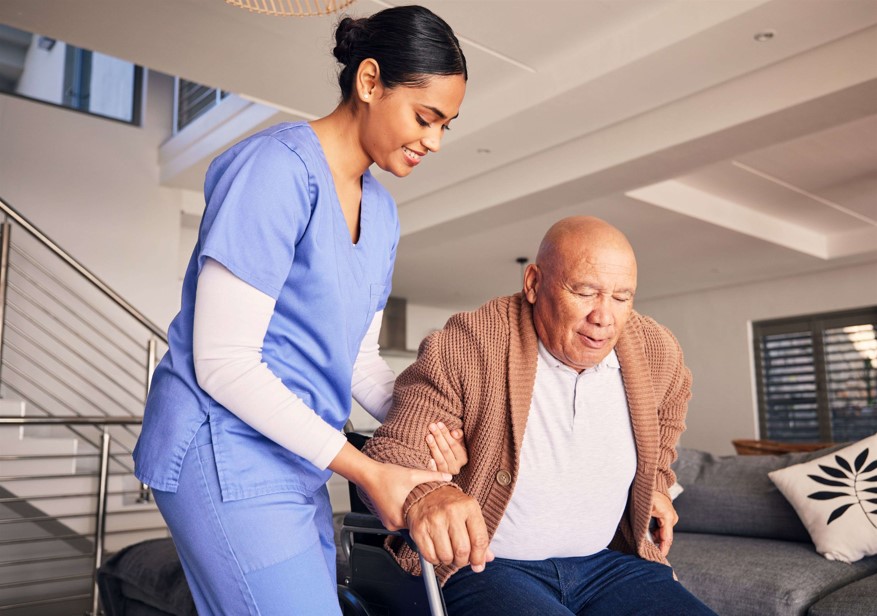
Selecting an elderly care home for a loved one is a significant decision that carries both emotional and practical considerations. Families want reassurance that their relatives will not only receive compassionate attention but will also live in an environment designed to keep them safe and secure. As individuals age, they often face mobility challenges, cognitive decline, and increased susceptibility to health emergencies, making safety a top priority in residential care settings.
A well-equipped elderly care home goes beyond basic accommodations, integrating thoughtful safety features into daily operations and facility design. These features play a central role in preventing accidents, responding quickly to emergencies, and promoting overall peace of mind for both residents and their families. Understanding what to look for can help families make informed decisions and ensure their loved ones reside in a supportive and protective environment.
Advanced Emergency Response Systems
One of the most critical components of a safe elderly care home is a reliable emergency response system. Residents should have easy access to call buttons or wearable alert devices that allow them to summon help at any time. Whether it is a sudden fall, dizziness, or another urgent health issue, these systems ensure that assistance is immediately available.
Modern facilities often integrate these systems into bedsides, bathrooms, and common areas, allowing staff to monitor alerts centrally and respond without delay. Quick response times can significantly reduce the severity of injuries or complications, particularly for residents with chronic conditions or limited mobility. Facilities that prioritize this feature demonstrate a commitment to proactive care rather than reactive solutions.
In addition, many advanced systems now include fall detection technology and real time monitoring, which can automatically alert caregivers even if a resident cannot manually call for help. This extra layer of protection is invaluable for individuals at higher risk of falls or medical emergencies.
Secure Building Design and Accessibility
A well designed elderly care home minimizes hazards through thoughtful architecture and accessibility features. Hallways should be wide and well lit, flooring should be slip resistant, and handrails should be installed throughout the building. These details help reduce the risk of falls, which are among the most common injuries among older adults.
Doors and entry points also play an important role in maintaining safety. Secure access systems prevent unauthorized individuals from entering while still allowing residents to move freely within safe boundaries. For residents with cognitive impairments such as dementia, controlled access points can prevent wandering, a potentially dangerous behavior.
Facilities such as Cloverland Park exemplify how integrating safety into design creates an environment that supports both independence and protection. When residents can navigate their surroundings confidently without unnecessary obstacles, their quality of life improves while their risk of injury decreases.
Comprehensive Staff Training and Supervision
Even the most advanced facility design requires well trained staff to ensure safety is consistently maintained. Caregivers should receive regular training in emergency procedures, fall prevention techniques, and recognizing early signs of medical distress. This training enables staff to act quickly and effectively when situations arise.
Supervision levels are equally important. Adequate staffing ensures that residents receive the attention they need, whether it involves assistance with daily activities, medication management, or mobility support. A strong staff presence reduces the likelihood of accidents going unnoticed and ensures residents feel supported at all times.
Ongoing education is another key factor. As healthcare practices evolve, staff should stay informed about new safety protocols, technologies, and approaches to elder care. This commitment to continuous improvement reflects a facility’s dedication to providing the highest standard of care.
Medication Management and Health Monitoring
Proper medication management is essential in elderly care settings, where residents often rely on multiple prescriptions. Errors in dosage or scheduling can have serious consequences, making accurate administration a vital safety feature.
Care homes should have structured systems in place to manage medications, including secure storage, clear documentation, and routine checks. Many facilities also use electronic tracking systems that reduce human error and ensure medications are given as prescribed.
Beyond medication, regular health monitoring plays a significant role in preventing emergencies. Routine vital sign checks, wellness assessments, and early detection of changes in condition allow caregivers to address issues before they escalate. This proactive approach helps maintain residents’ health and reduces hospital visits.
Families should look for facilities that emphasize coordination with healthcare providers, ensuring continuity of care and timely medical interventions when needed.
Cleanliness, Infection Control, and Environmental Safety
Maintaining a clean and hygienic environment is another crucial safety feature in elderly care homes. Older adults often have weakened immune systems, making them more vulnerable to infections and illnesses. High standards of cleanliness help prevent the spread of bacteria and viruses within the facility.
Regular sanitation of common areas, proper waste disposal, and adherence to infection control protocols are essential practices. Staff should follow strict hygiene guidelines, including handwashing procedures and the use of protective equipment when necessary.
Environmental safety also extends to air quality, temperature regulation, and proper maintenance of equipment. Comfortable indoor conditions contribute to residents’ overall well being, while well maintained equipment reduces the risk of malfunctions that could lead to injury.
Emergency preparedness is another important aspect of environmental safety. Facilities should have clear plans for fire drills, natural disasters, and other emergencies, ensuring both staff and residents know how to respond effectively.
Conclusion
Choosing an elderly care home involves evaluating many factors, but safety should always remain a top priority. From advanced emergency response systems to thoughtful building design, trained staff, effective medication management, and rigorous cleanliness standards, each safety feature plays a vital role in creating a secure living environment.
Families who take the time to assess these elements can feel more confident in their decision, knowing their loved ones are protected and cared for. A safe environment not only prevents accidents and emergencies but also fosters dignity, independence, and peace of mind for residents.
Ultimately, the right care home combines safety with compassion, ensuring that residents can enjoy their daily lives while receiving the support they need.