

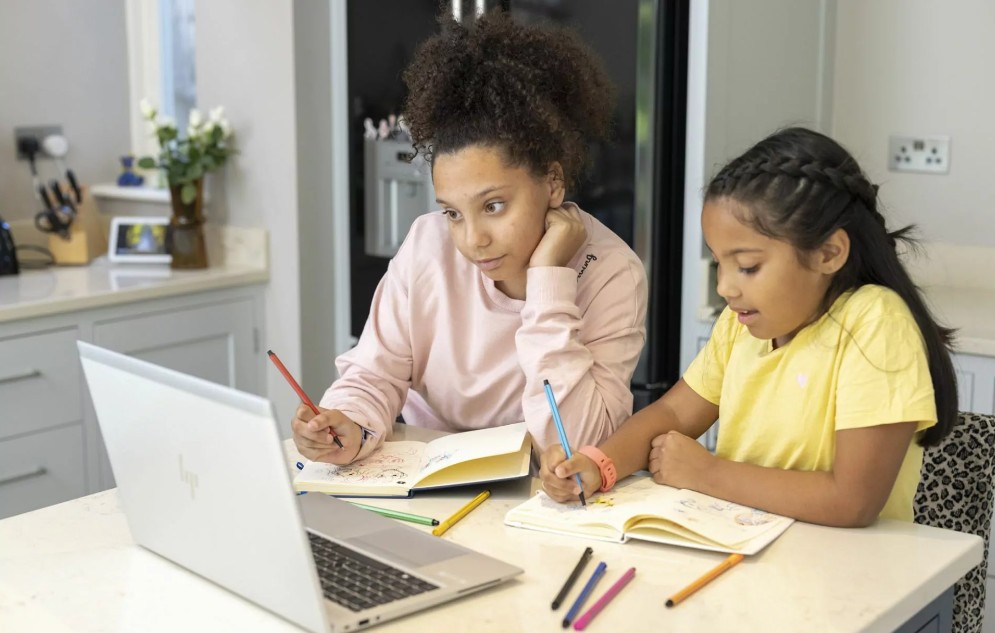
Middle school art education often faces gaps related to time, resources, and student confidence. Online programs offer structured approaches that address these common concerns thoughtfully. This article explains how digital art instruction supports learning and engagement.
Limited Access to Consistent Art Instruction
Many schools struggle to provide consistent art instruction throughout the academic year. A middle school art curriculum delivered online helps maintain continuity across lessons and skill development. Structured modules allow students to revisit concepts and techniques as needed. This steady access supports gradual improvement and confidence.
Online lessons reduce scheduling conflicts that interrupt traditional classes. Students access materials without dependence on classroom availability. Predictable lesson sequences support learning flow and reduce confusion. Consistency remains a key benefit for developing skills.
Confidence Gaps in Artistic Expression
Middle school students often hesitate to share creative ideas openly. Online art programs help with confidence through guided instruction and clear expectations. Lessons emphasize process and effort instead of perfection. This approach encourages participation and creative risk.
Students work at an individual pace within structured tasks. Reduced pressure supports thoughtful exploration of ideas. Progress becomes visible through completed projects. Confidence grows through repeated practice and reflection.
Limited Material Resources
Traditional art classes often face supply shortages or uneven access. Online art programs frequently rely on simple and accessible materials. This approach helps with equity across different learning environments. Clear supply lists reduce preparation stress.
Programs often adapt projects to common household items. Flexibility supports creativity without complex tools. Students focus on technique and idea development. Resource limits become manageable through thoughtful design.
Common Resource Solutions
Online art programs often support access through:
- Simple material alternatives
- Clear preparation guides
- Flexible project options
Difficulty Providing Individual Feedback
Personal feedback remains challenging in large group settings. Online platforms allow instructors to review student work individually. Written or recorded comments help clarify strengths and improvement areas. This interaction supports reflective learning.
Students review feedback at convenient times, which allows space for careful consideration and reflection. This flexibility supports thoughtful response and adjustment as students revisit suggestions during project work. Ongoing communication builds trust and clarity between instructors and learners over time. Feedback becomes a learning tool that guides improvement and supports continued progress.
Engagement Challenges in Traditional Settings
Maintaining engagement during middle school years can feel difficult as interests and attention often shift quickly. Online art lessons use clear visuals and step-by-step demonstrations that help support focus during activities. Structured pacing helps students remain attentive by breaking lessons into manageable sections. Engagement improves through interactive elements that invite active participation.
Lessons often combine observation, creation, and reflection within each session to maintain balance. Variety supports sustained interest across sessions by offering different techniques and themes. Clear goals guide participation and help students understand lesson purpose. Engagement becomes easier to maintain with purposeful lesson design and consistent expectations.
Skill Development and Creativity
Art education requires a balance between technique development and personal expression for meaningful progress. Online programs often sequence lessons from basic skills toward more open projects that encourage independence. This structure helps with foundation building by reinforcing core techniques before complex tasks. Creative freedom increases as skills develop and confidence improves.
Students apply techniques within personal themes that reflect individual interests and ideas. Guided prompts support exploration without restriction by offering direction without limiting choice. Balance supports both discipline and imagination through structured practice and creative decision-making. Artistic growth remains steady and meaningful as skills and expression advance together.
Online art instruction addresses several common classroom challenges effectively. A middle school art curriculum delivered digitally supports access, confidence, and consistent feedback. Structured lessons help with engagement, resource limits, and creative balance. With thoughtful design, online art programs offer reliable support for middle school learners across varied settings.