

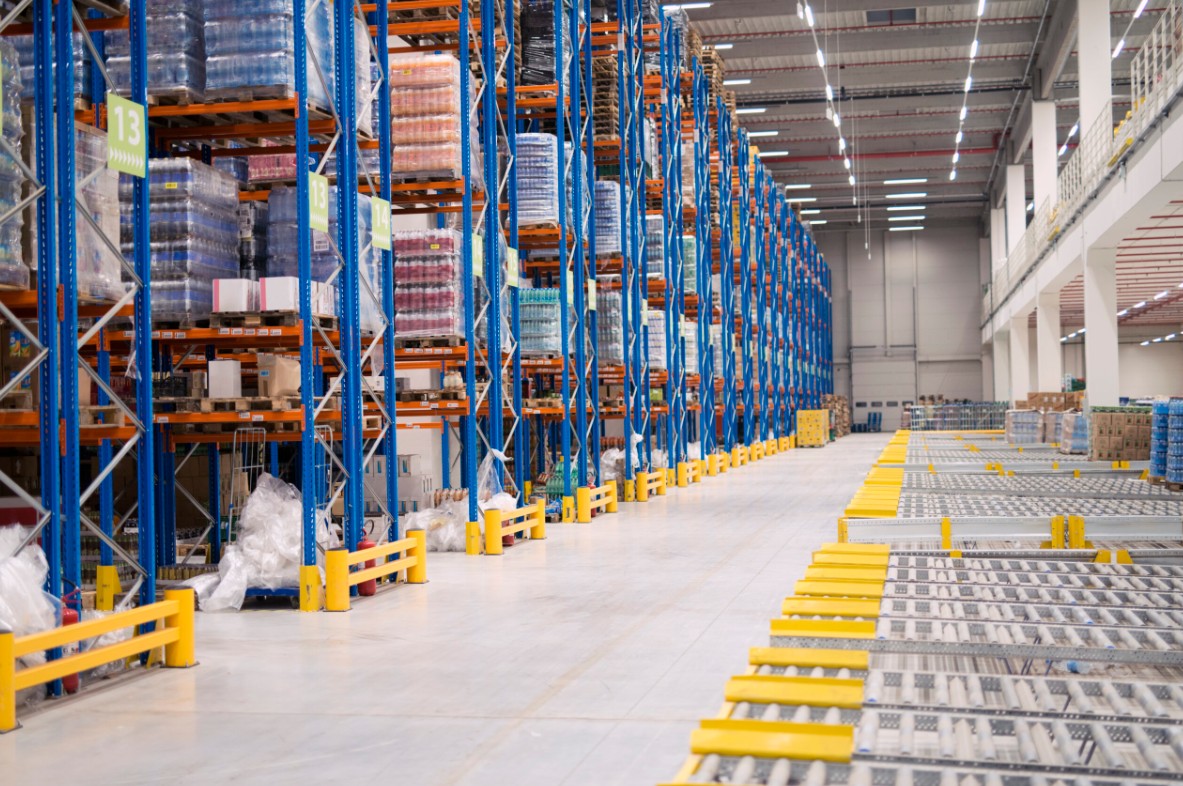
Selling online is the easy part. Getting the right product to the right customer, on time and in perfect condition, is where most e-commerce brands either win loyalty or lose it. As Melbourne’s online retail scene keeps growing, the way you handle warehousing, picking, packing and shipping is just as important as your website or ad strategy.
Whether you’re a growing startup or an established retailer shifting more sales online, understanding your options for fulfillment is essential if you want to scale smoothly instead of burning out your team.
What E-commerce Fulfillment Actually Covers
Fulfillment is everything that happens after your customer clicks “Buy”:
- Storing your inventory in a warehouse
- Receiving and checking inbound stock
- Picking items for each order
- Packing with the correct materials and branding
- Booking couriers and generating labels
- Managing tracking, returns and exchanges
You can do all of this in-house, outsource it to a third-party provider, or use a hybrid model. The right approach depends on your order volume, growth plans, product range and how much you value speed vs control.
The Hidden Cost of Doing It All Yourself
Most businesses start by fulfilling orders from a spare room, garage, back office or retail store. That’s fine at the beginning, but as volume grows the cracks begin to show.
You might notice:
- Staff spending more time packing than selling
- Regular stockouts because inventory isn’t tracked accurately
- Late dispatches and missed carrier cut-offs
- Higher error rates and more “wrong item received” complaints
On top of that, you carry fixed costs—rent, racking, labour, insurance—whether it’s a busy period or a slow month. And you’re constantly context-switching between growth tasks and operational firefighting.
At a certain point, the question stops being “Can we keep doing this ourselves?” and becomes “Should we?”
Why Melbourne Is a Unique Fulfillment Hub
Melbourne is one of Australia’s busiest logistics centres, with strong road, rail, air and port links. That’s good news for e-commerce brands because it means more carrier options and competitive delivery times to customers across VIC and interstate.
But it also means customer expectations are high. Same-day and next-day delivery windows are increasingly common in metro areas. Shoppers are quick to compare experiences between brands, and slow or unreliable shipping is one of the biggest reasons for cart abandonment and negative reviews.
Working with a specialist in fulfillment Melbourne can give you better access to carrier networks, negotiated rates and systems designed specifically for fast, accurate online order handling.
Signs You’re Ready to Outsource Fulfillment
There’s no magic number of orders that says “now you must outsource,” but there are clear signals:
- You’re regularly picking and packing outside normal hours just to keep up
- Seasonal peaks (sales, Christmas, campaigns) overwhelm your current setup
- You’re considering renting extra storage or hiring more warehouse staff
- Inventory inaccuracies are causing oversells, cancellations or unhappy customers
If several of these sound familiar, it’s worth comparing the real cost of your current setup (including your time) with a professional solution.
What to Look for in a Fulfillment Partner
If you decide to outsource, the right partner should feel like an extension of your team, not just a storage facility. Key things to assess include:
Technology and integrations
Your fulfillment provider should plug directly into your e-commerce platform, marketplace accounts and potentially your accounting or ERP systems. Orders should flow automatically, inventory should update in real time and you should be able to see stock and order status without spreadsheets.
Accuracy and service levels
Ask about picking accuracy, on-time dispatch rates and how they handle issues. Even a small error rate can cause serious damage to your reputation if you ship hundreds or thousands of orders a month.
Scalability
Make sure they can handle your future, not just your present. Can they manage large spikes in volume? Do they have space and systems to support you as your SKU count grows?
Support for your brand experience
Unboxing is part of your marketing. Check whether they can handle branded packaging, custom inserts, kitting, subscription boxes or gift-wrapping if those are important to you.
Designing the Right Setup for Your Store
Outsourcing does not mean losing control. You still decide:
- How products are grouped and stored
- Which carriers and service levels to use
- What packaging and inserts look like
- Cut-off times and expectations you set with customers
A good provider will help you refine these decisions based on data: which shipping methods your customers actually choose, which SKUs sell together, how long each step takes and where you’re most at risk of delays.
They can also help you structure inventory across locations if you eventually move to multi-warehouse fulfillment to get closer to customers in different states.
The Role of Data in Smarter Fulfillment
One of the biggest advantages of working with a specialist is access to better data. Instead of guessing, you can see:
- Order volumes by day, week and season
- Best-selling SKUs and combinations
- Average pick/pack times and shipping durations
- Return rates and common reasons for returns
Armed with this information, you can make smarter decisions about stock ordering, product bundles, promotions and even new product development.
Choosing a Long-Term Partner
Melbourne e-commerce brands don’t just need someone who can send parcels; they need a logistics engine that supports growth. When you talk to providers, pay attention not only to their pricing but also to how they listen, how clearly they explain their process and how committed they seem to your long-term success.
A specialist such as Fulfillio can help you move from reactive, manual operations to a streamlined, data-driven fulfillment model. That shift frees your time, stabilises your customer experience and gives you the confidence to scale—knowing that as orders grow, your operations can keep pace.
Handled well, fulfillment stops being a bottleneck and becomes a competitive advantage: fast, reliable and invisible to your customers, except for the moment when their order arrives exactly as promised.
