

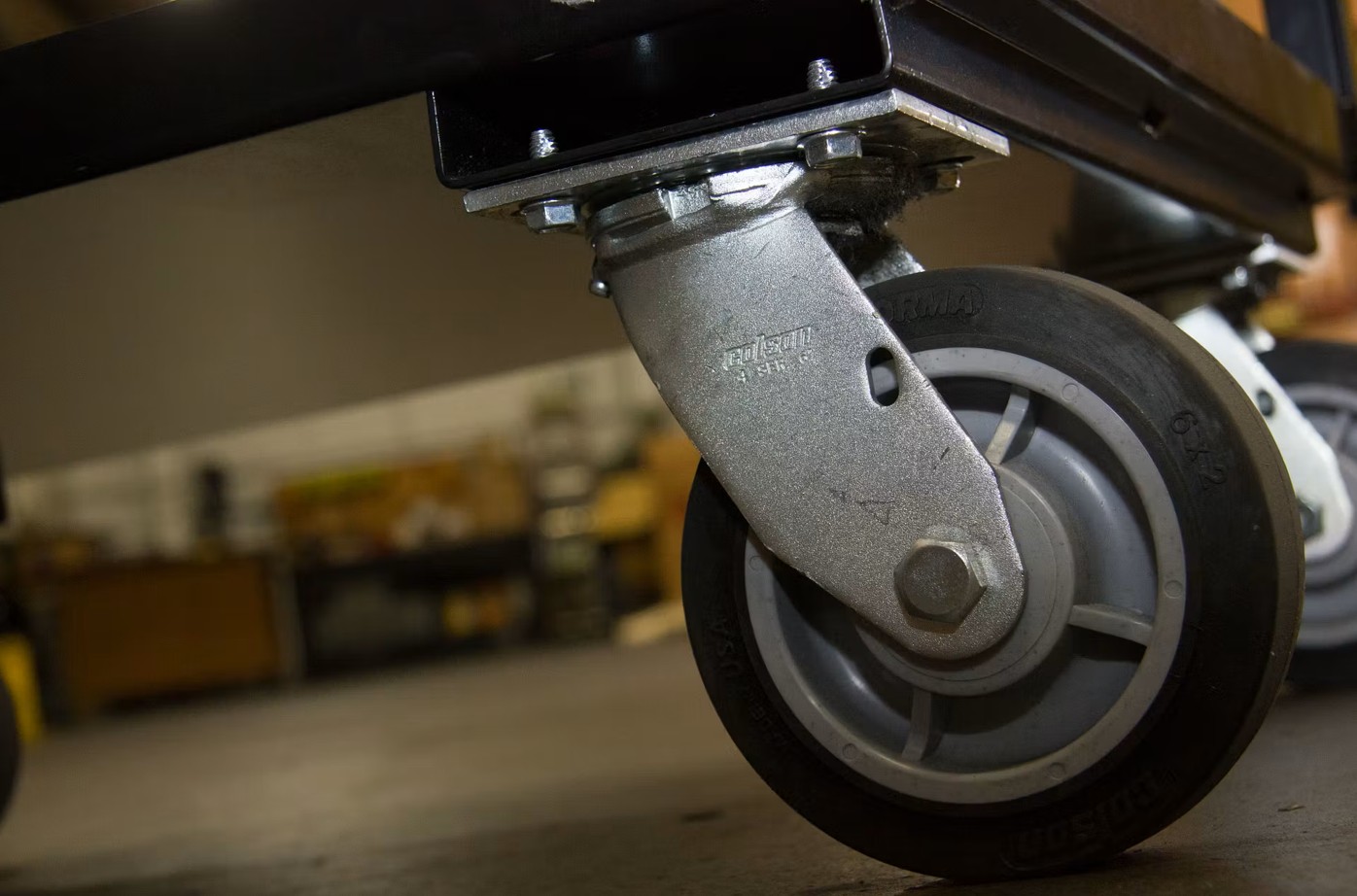
For facilities handling heavy equipment and frequent moves, selecting the right casters is a matter of both efficiency and workplace safety. Casters play a pivotal role in the smooth transport of everything from manufacturing carts to delicate laboratory apparatus. Identifying the ideal caster type and feature set can impact not only workflow but also protect building infrastructure, reduce maintenance costs, and minimize downtime. Access to quality solutions, such as locking casters, helps facilities address their unique challenges for safer, more efficient movement.
When selecting casters, plant managers and engineers must evaluate both immediate performance and long-term durability. Strategic purchasing accounts for workload, environment, and safety standards, ensuring a solid return on investment. A misstep during selection can result in increased repairs, shortened caster lifespans, or even workplace accidents, underscoring the importance of making informed decisions from the outset.
Understanding Load Capacity
Calculating appropriate load capacity is an essential foundation when specifying casters. Undersized casters risk structural damage to equipment and increase the likelihood of worker injury. Begin by totaling the equipment weight and adding the maximum anticipated contents or cargo. Divide this sum by the number of casters supporting the equipment, and select a caster that exceeds this calculated per-wheel requirement by at least 20 to 30 percent as a safety margin. For example, if the combined weight is 1,000 pounds, and you plan to use four casters, each should be rated for at least 325 pounds. This buffer accounts for uneven floors, abrupt movements, and unexpected dynamic loads.
Material Selection for Optimal Performance
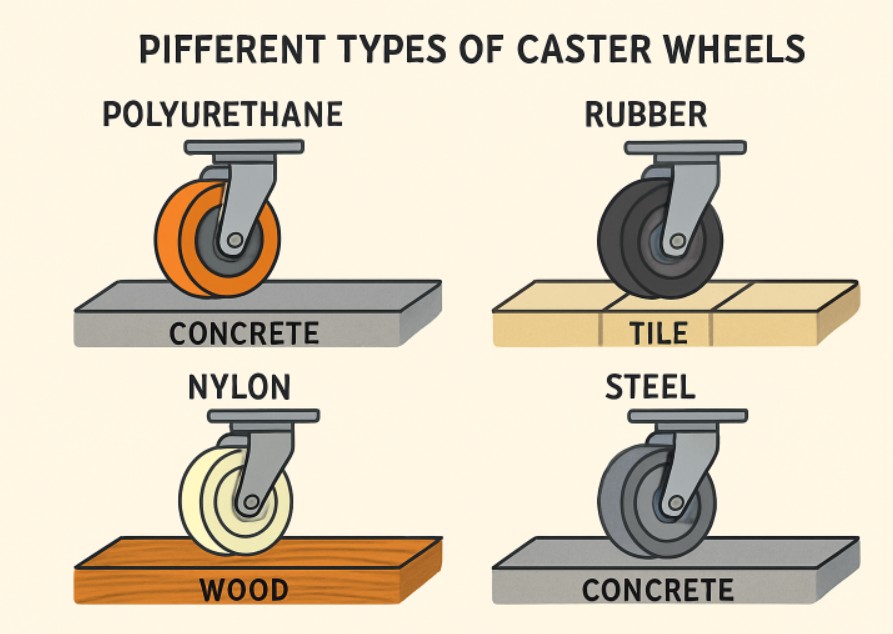
Not all caster wheels are created equal. The choice of material affects the caster’s ability to protect floors, resist wear, and handle workplace demands. Polyurethane casters are favored in many industrial settings for their combination of strength, elasticity, and floor-protection, particularly on smooth concrete or epoxy-coated floors. Nylon casters, with their high load capacity and chemical resistance, are well-suited for environments prone to moisture and exposure to cleaning agents, such as food processing facilities. Rubber casters cushion loads and reduce vibration, benefiting operations on older, uneven floors, while cast iron or steel wheels excel in heavy-duty shops, steel mills, and similar rugged applications.
Considering Environmental Factors
Caster longevity depends on the ability to withstand unique workplace conditions. In temperature-controlled environments like bakeries, food storage, or refrigerated facilities, using casters rated for either high or low thermal thresholds is crucial to avoid failure or loss of mobility. Operations in wet or corrosive environments demand stainless steel casters or models with sealed bearings to guard against rust and chemical attack. The interaction of the wheel material with the floor also deserves attention. For instance, phenolic wheels are ideal for smooth, hard surfaces, but could damage finished wood floors, where soft rubber is a better fit.
Facilities managers also need to consider unique site demands, such as noise reduction, static discharge, or ease of cleaning. For further information on caster specifications and industrial safety, consult reliable sources such as the Occupational Safety and Health Administration (OSHA).
Enhancing Safety and Ergonomics
Swivel and Braking Features
Modern casters offer advanced features tailored to protect personnel and secure equipment in place. Swivel casters boost maneuverability, enabling equipment to navigate congested areas or make precise turns without excessive force. Braking systems are essential when equipment is stationary or on sloped surfaces, offering reliable holding capability that minimizes the risk of accidental rolling.
Shock Absorption and Anti-Static Properties
Integrated shock-absorption mechanisms are essential for protecting sensitive equipment from vibration damage, especially in labs or electronics production. Anti-static and antibacterial properties further enhance safety in applications such as healthcare and cleanrooms, reducing the risk of static discharge and microbial contamination.
Maintenance and Inspection
Routine checks and preventative maintenance are critical to maximizing the service life of casters and avoiding sudden breakdowns. Facilities should implement scheduled inspections to catch wear and tear early. Look for signs such as flat spots, cracked wheel material, rust on bearings, or resistance in swivel motions. Regularly cleaning wheels and swivels prevents grit and debris from restricting movement and causing excessive wear.
Ensure braking mechanisms function as intended and perform periodic lubrication of moving parts, as recommended by the manufacturer. For a comprehensive guide to maintenance best practices, Reliabilityweb offers industry-accepted advice for industrial equipment service planning.
Conclusion
Selecting the ideal casters for industrial use requires careful evaluation of multiple factors, including load capacity, material strength, and resistance to wear in specific environments such as wet, corrosive, or high-temperature settings. Additionally, safety features like brakes and locking mechanisms play a key role in preventing accidents. By combining thoughtful selection with routine inspection and maintenance, businesses can minimize equipment downtime, avoid workplace injuries, safeguard their facilities, and ensure smoother operations, ultimately boosting long-term productivity and operational efficiency.
