

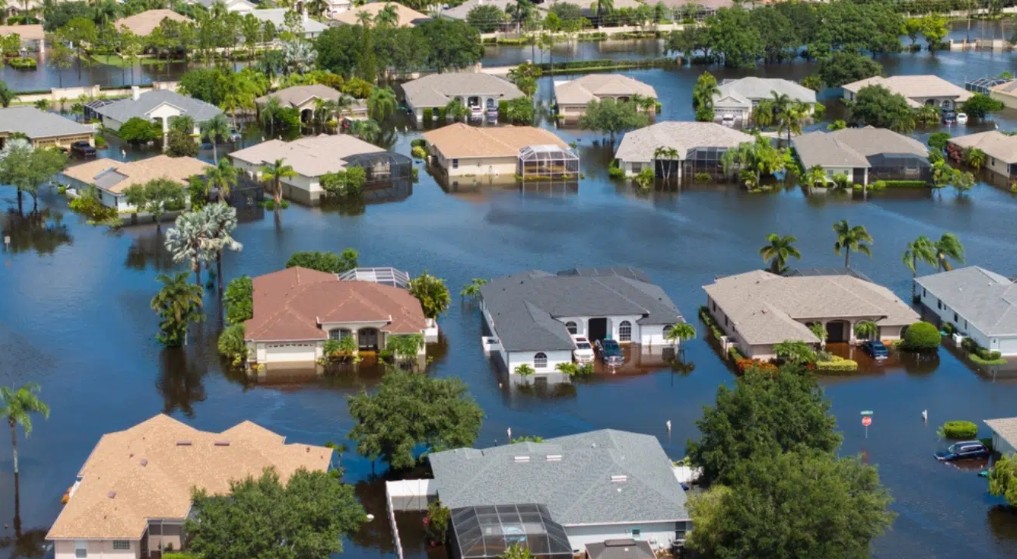
Natural disasters often arrive unexpectedly, exposing homeowners to potentially devastating financial impacts. Choosing and maintaining the right home insurance policy is essential for protecting your most valuable asset and ensuring your peace of mind. Having proper coverage can help you navigate the aftermath of hurricanes, earthquakes, floods, and more. Start by assessing your current policy and consider whether you need to expand your coverage to suit your unique circumstances. For more information on comprehensive home insurance options, visit https://mwg.aaa.com/insurance/home.
The financial safety net provided by home insurance can make the difference between rapid recovery and lasting difficulty after a disaster. Many homeowners underestimate the complexity of coverage limits, exclusions, and policy terms until the worst happens. Ensuring you understand what your policy covers and identifying any gaps before a natural disaster strikes can offer invaluable protection for your property and family.
Understanding Standard Homeowners Insurance Coverage
It is a common misconception that a standard homeowners’ insurance policy automatically covers all natural disasters. In reality, many standard policies exclude damage from floods and earthquakes, leaving homeowners vulnerable. According to the National Flood Insurance Program, even minor flooding can cause tens of thousands of dollars in damage to the typical home. Identifying these policy exclusions in advance lets you determine whether you need supplemental coverage, especially if you live in areas with heightened risk.
Review your insurance declarations page and policy documents to determine exactly which hazards your insurer covers. If you are uncertain, reach out to your insurance provider for clarification. This proactive approach can help you avoid unexpected expenses should disaster strike. For a thorough understanding of disaster-specific coverage needs, reviewing resources from reputable organizations, such as the Insurance Information Institute, can inform informed decisions.
Assessing Your Risk and Coverage Needs
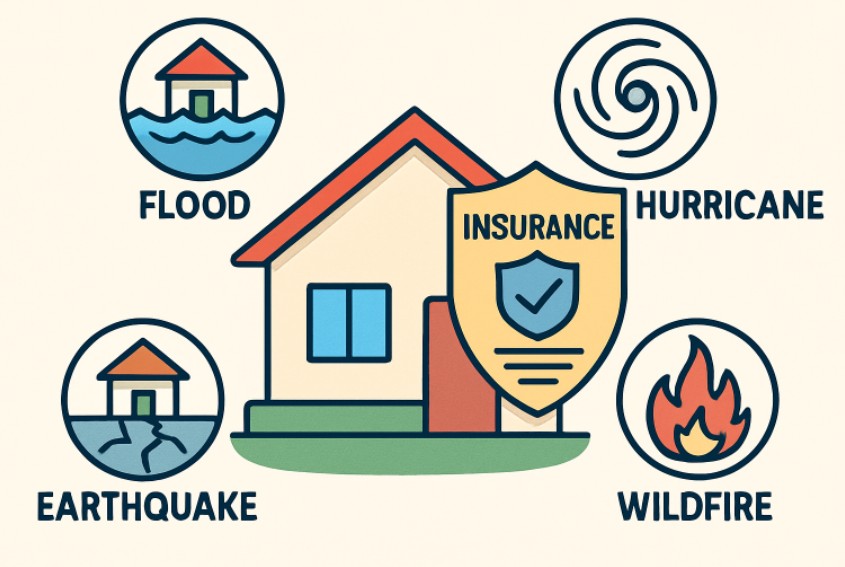
Begin by identifying the natural disaster threats prevalent in your area. Californians, for example, must consider the risk of earthquakes and wildfires, while homeowners along the Gulf Coast are more likely to encounter hurricanes and flooding. Your local government, state insurance department, or FEMA resources can help you assess what risks are most significant for your location. This information will help you customize your home insurance policy to reflect your actual risk profile.
The California Department of Insurance and many other state agencies recommend that homeowners review their policies at least once a year. As property values shift and risks evolve, maintaining an updated policy ensures you retain appropriate coverage levels to repair, replace, or rebuild after a loss. Homeowners in areas frequently impacted by natural disasters should pay extra attention to their policies’ deductibles, limits, and exclusions.
Exploring Additional Coverage Options
Your standard homeowners insurance policy might not provide the complete coverage you need. Consider investing in these specialized policies if your risk assessment calls for it:
- Flood Insurance. Available through the National Flood Insurance Program (NFIP) or private insurers, this type of policy covers damage from flooding events that are otherwise excluded by standard insurance policies.
- Earthquake Insurance. Crucial for anyone living near fault lines, earthquake insurance can be added as an endorsement or as a stand-alone policy and helps with repairs and rebuilding after seismic activity.
- Windstorm Insurance. This is important for residents in regions affected by hurricanes or tornadoes and covers property damage caused by strong winds.
Keep in mind, these extra policies often come with their own deductibles and individual coverage caps. An experienced insurance agent can walk you through these complexities to ensure you are not left underinsured at the time of loss.
Implementing Home Improvements for Disaster Resilience
Investing in your home’s resilience can significantly improve safety outcomes and reduce insurance costs. Many insurers reward homeowners who mitigate risks by offering lower premiums. In Florida, the My Safe Florida Home program is a great example. It provides grants to residents who invest in wind-mitigation upgrades, such as impact-resistant windows and reinforced roofing.
Research published by the Insurance Institute for Business & Home Safety shows that homes built or retrofitted to meet advanced resilience standards (such as the Fortified standard in Alabama) often sustain less damage during major storms. Retrofitting your home may include reinforcing garage doors, installing storm shutters, or updating your roof. Not only do these improvements protect your family, but many also satisfy the required criteria for premium reductions.
Maintaining an Up-to-Date Home Inventory
When making an insurance claim after a disaster, having a current home inventory can be invaluable. Detailed documentation of your possessions, including item descriptions, purchase receipts, and estimated values, helps streamline the claims process. Today, digital inventory apps like Sortly or Encircle make it much easier to keep your records current and accessible when you need them most.
Store your inventory data off-site or in the cloud for additional security. Backing up important data keeps access to key information separate from physical damage to your home during a disaster.
Regularly Reviewing and Updating Your Policy
Annual reviews of your insurance policy are essential for keeping your coverage aligned with ongoing changes. Significant life events, renovations, or additions to your property should always trigger a policy review. Additionally, staying informed about updates to building codes and insurance regulations helps you maintain optimal compliance and coverage levels.
Set annual reminders to review your policy with your insurer or an independent agent, ensuring your coverage reflects your current home configuration and asset inventory. This preventative action can make recovery easier if a natural disaster strikes.
Conclusion
Protecting your home against natural disasters starts with understanding both the risks you face and the limits of your current insurance coverage. By reviewing coverage needs specific to your geography, exploring supplemental insurance, implementing home improvements designed for resilience, and maintaining up-to-date inventories, you position yourself for the best possible outcome in the event of a catastrophe. Regularly consulting with your insurance agent and staying informed about policy updates keeps your protection strong for the future.
