

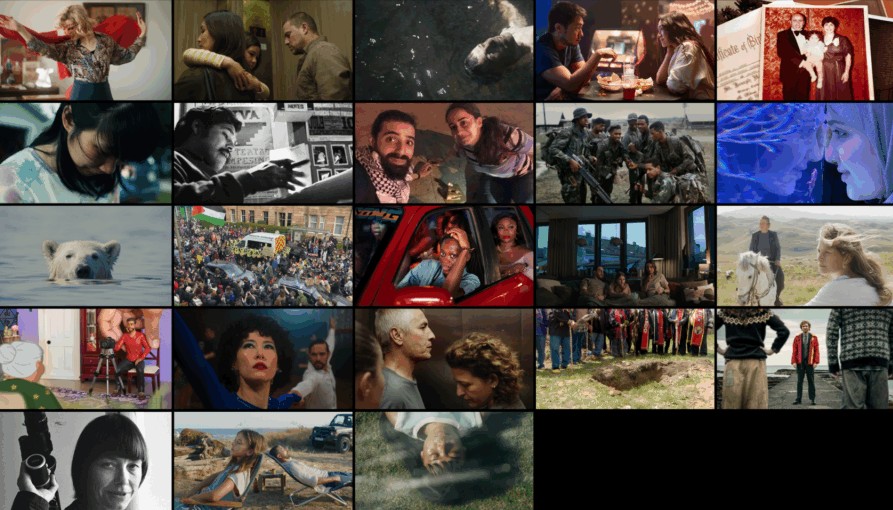
Sundance 2026 arrived with a familiar promise—discovery, disruption, and a few delicious surprises—but the conversation around it felt unusually concentrated. In a media climate that rewards instant reactions, the festival’s most-discussed projects weren’t simply “the best” on paper; they were the ones that generated narrative gravity: a striking premise, a risky tonal swing, a magnetic newcomer, or a headline-ready production story.
That gravity is increasingly shaped by the same attention dynamics as the wider internet, where even a passing curiosity like online game chicken road can flicker through feeds, reminding us that cultural buzz is less a straight line than a messy web of impulses, fandoms, and fast-moving micro-trends.
Why a Handful of Titles Took Over the Conversation
Festival chatter has always been a cocktail of aesthetics and logistics—what moved people, what shocked them, and what might actually be seen later by audiences outside the mountain town. In 2026, three forces concentrated attention.
Awards validation gave the discourse a spine, turning a sprawling program into a shorter list of “must-know” titles. The top jury honors went to Josephine (U.S. dramatic), Nuisance Bear (U.S. documentary), Shame and Money (world cinema dramatic), and To Hold a Mountain (world cinema documentary).
Deal heat supplied urgency. Coverage tracking acquisitions and “movies sold so far” turned select films into market stories, where the implied question wasn’t only “Is it good?” but “Who fought for it?”
The personality factor did the rest. Breakout performances, reinventions, and high-profile ensembles are the fastest route to consensus buzz, especially when the cast anchors a clean storyline (comeback, first major lead, sharp pivot into genre). Industry “discoveries” lists reinforced that the festival is still a talent engine, not just a title factory.
The Films People Couldn’t Stop Debating
Instead of treating buzz like a ranking, it’s more useful to ask: what kind of films are people rewarding with attention?
The award winners as cultural barometers
The four top jury winners landed as conversation anchors because they signaled seriousness and craft. Josephine’s win in the U.S. dramatic bracket immediately pushed it into the year’s broader prestige pipeline, while Nuisance Bear’s documentary win suggested that sharply observed nonfiction—work that can be discussed in vivid, shareable images—still cuts through the crowd.
On the international side, Shame and Money drew attention not only for winning but for how it fit into a larger conversation about cross-border indie financing and the continuing strength of European-led festival cinema. To Hold a Mountain rounded out the quartet with a title that, even before wide release, carries a thesis-like weight: patient, physical, and meaningfully specific.
High-profile “conversation magnets”
Alongside the prize winners, a cluster of higher-wattage projects soaked up oxygen because they arrived pre-loaded with story hooks. Lineup and preview coverage highlighted a music-world satire (The Moment), a darkly comic art-world tale (The Gallerist), and a provocative thriller (I Want Your Sex).
What made these dominate conversation wasn’t only famous faces; it was legibility. Each premise can be summarized in a sentence that sounds slightly dangerous—an attractive quality in a crowded attention market. That “logline heat” accelerates reviews, hallway debates, and the kind of social chatter that turns a festival screening into a broader cultural signal.
The deal narrative as a second plot
Acquisitions function like a parallel awards show. Lists of sold titles and “acquisition targets” helped define the festival’s business mythology: certain projects weren’t just well liked, they were “wanted.”
One widely discussed example was The Invite, a comedy tied to a prominent filmmaker, described by multiple outlets as a bidding-war catalyst. Analytically, a bidding war is less about price than narrative: it tells the industry (and audiences) that this film matters, and it tells creators that certain tones—sharp, crowd-pleasing, emotionally ambivalent—can still command serious attention.
Cast and Performance Chatter: The “Discovery Dividend”
Sundance’s most durable export is often a face, not a film. This year’s discourse leaned hard on “discovery” language—who arrived fully formed, who seemed to level up, who felt like the next inevitability. Coverage of breakout talents framed Josephine as a launchpad for a standout performance and spotlighted a broader set of emerging filmmakers across drama and genre.
This matters because festivals compress reputations into a week-long referendum. A breakout here can reshape the next year of career trajectories—roles offered, scripts sent, meetings scheduled—because the industry trusts the festival’s crowd-sourced consensus more than any single review.
Headlines Beyond the Screen
Not all of 2026’s loudest conversation was about the films themselves. Reporting on “big moments” emphasized how politics, celebrity sightings, and emotional anniversary gatherings fed the sense that the event was about community as much as commerce.
There was also a palpable “end of an era” energy in coverage that framed 2026 as the final edition in its long-time location before a move in 2027. Transition narratives inflate everything: premieres feel more historic, audiences feel more sentimental, and even quieter titles can benefit from the heightened symbolism of a closing chapter.
What the Buzz Says About Independent Film in 2026
Step back from the gossip and a few patterns emerge:
- Attention rewards clarity. Films with a crisp premise and an immediate emotional angle travel faster than subtler work.
- Prestige and commerce are intertwined. Awards lift titles into canon formation; acquisitions lift them into visibility.
- Discovery still drives the ecosystem. Even amid celebrity noise, decision-makers keep watching for the next wave of performers and filmmakers.
In other words, Sundance 2026 didn’t just tell audiences what to anticipate; it revealed how the modern festival economy converts art into narrative—beautiful, competitive, and relentlessly discussable.
